Cleanroom Classification for Key Processes
Table 1: Medical Device Cleanroom Cleanliness Classification
| Sterile or Implantable Medical Devices (Class Iii) |
Non-Sterile Medical Devices (Class II / Class I) |
- Core processes (aseptic filling, sealing, assembly): ISO Class 5
- Critical support processes (cleaning, drying, inspection): ISO Class 7
- General production areas or personnel preparation areas: ISO Class 8
|
- Typical cleanliness: ISO Class 7–8
|
Key Environmental Parameters
Table 2: Key Environmental Parameters for Medical Device Cleanrooms
| Temperature & Humidity |
Pressure Differential |
Air Changes per Hour (ACH) |
Microbiological Control |
- Temperature: 18–28 °C
- Relative humidity: 45% – 65%
|
- Maintain a pressure differential of ≥ 10–15 Pa between the cleanroom and adjacent areas
|
- ISO Class 5: Typically uses vertical laminar airflow at ≥ 240–600 ACH
- ISO Class 7: ≥ 30 ACH
- ISO Class 8: ≥ 15 ACH
|
- ISO Class 5: Airborne viable particles ≤ 1 CFU/m³; settling plates ≤ 1 CFU/4h
- ISO Class 7: Airborne viable particles ≤ 10 CFU/m³; settling plates ≤ 3 CFU/4h
- ISO Class 8: Airborne viable particles ≤ 100 CFU/m³; settling plates ≤ 10 CFU/4h
|
Primary Contamination Sources
-
Personnel Contamination
Control Measures:
- Wear dust-free sterile garments, masks, and gloves, with strict changeover procedures.
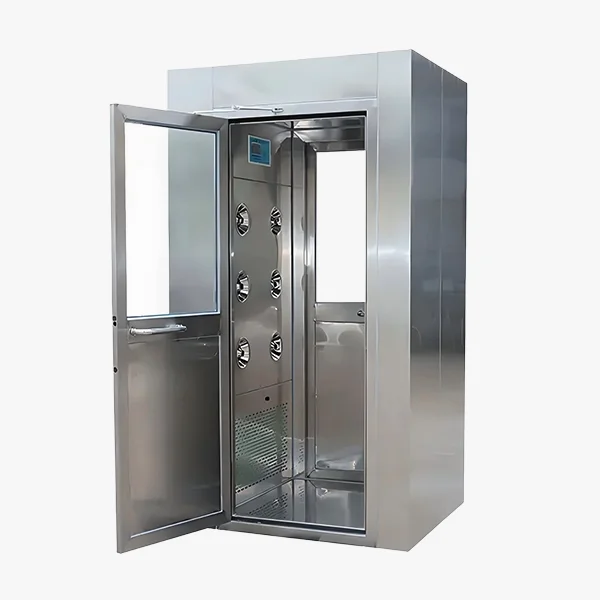
- Use air showers and hand-sanitizing facilities.
-
Equipment Contamination
Control Measures:
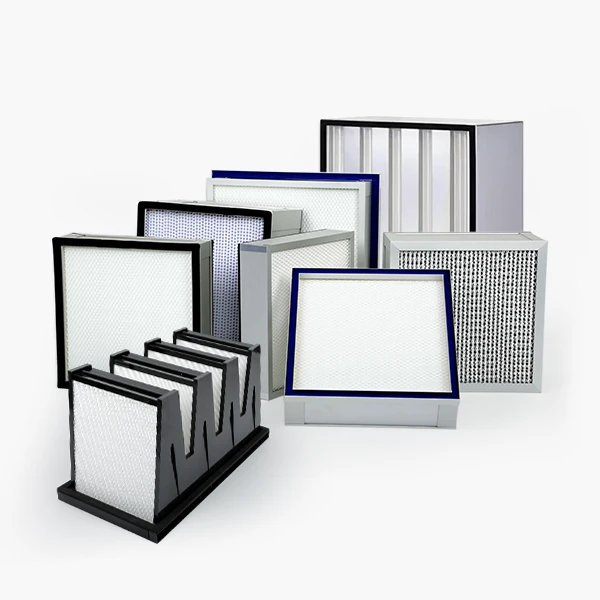
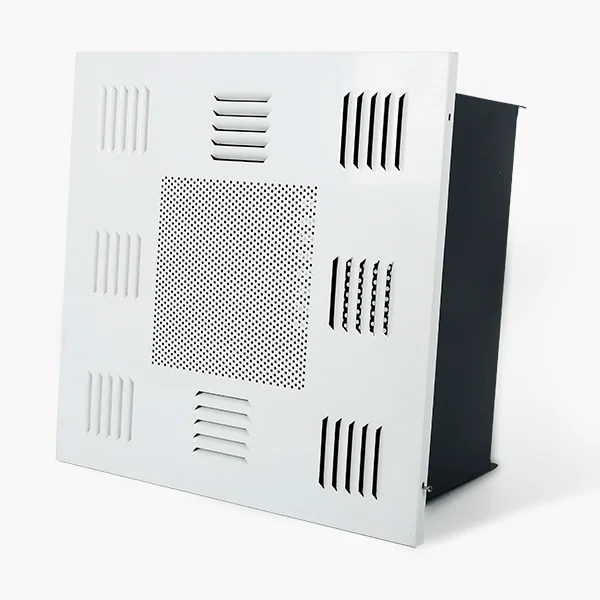
- Use HEPA/ULPA filtration.
- Design supply and return airflows appropriately.
- Control pressure differentials.
- Control air change rates.
-
Air Contamination
Control Measures:
- Select low-particle-generating, easy-to-clean equipment.
- Replace lubricants regularly and wipe equipment surfaces.
-
Materials & Packaging
Control Measures:
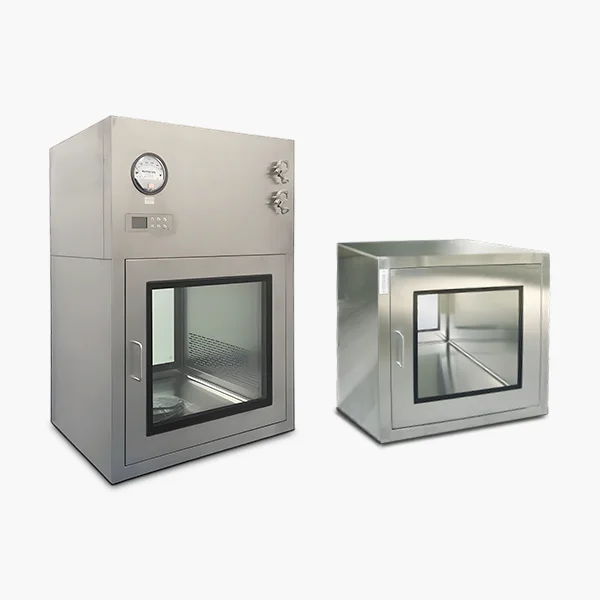
- Transfer materials via pass boxes or material air showers.
- Ensure raw materials and packaging are cleaned or sterilized before entry.
-
Building Materials
Control Measures:
- Use smooth, non-shedding materials for walls, floors, and ceilings.
- Clean and disinfect regularly.


 Product